Dance isn’t just a form of movement; it’s a universal language that transcends borders and connects people across cultures. From the rhythmic sway of traditional folk dances to the electrifying beat of modern hip-hop, dance styles reflect the essence of cultural identity. Whether you’re tapping your feet to the sounds of an old-world melody or busting a move on the latest chart-topping hit, each dance tells a story. In this article, we will embark on an adventurous journey exploring how various dance styles connect us with our roots while embracing contemporary influences.
Connecting with Culture through Traditional and Modern Dances
Every culture has its unique way of expressing emotions, history, and social narratives through dance. Traditional dances often encapsulate the values, beliefs, and stories of a community. For instance, practices like the Indian Bharatanatyam or Scottish Highland dancing not only showcase intricate footwork but also serve as a window into the cultural fabric from which they originate.
On the flip side, modern dances such as jazz and street dance have evolved from these traditions while incorporating elements from various genres and lifestyles. They reflect contemporary issues and bring diverse communities together under common rhythms. The interplay between traditional and modern dance forms creates a fascinating dialogue about identity, evolution, and expression.
The Roots of Dance: A Cultural Perspective
What is the Significance of Dance in Different Cultures?- Dance has always played an integral role in rituals, celebrations, and storytelling across various civilizations. It's often used to mark significant life events such as births, weddings, and funerals.
- Through traditional dances passed down generations, communities maintain their history and values alive. Each step embodies tales of ancestors and serves as a connection to one’s heritage.
- Absolutely! Love, conflict, joy, and struggle are themes seen across different cultures’ dance styles. These universal emotions allow for shared experiences regardless of geographical boundaries.
Exploring Popular Traditional Dance Styles
Bharatanatyam: The Classical Indian Dance Form
Originating from Tamil Nadu in Southern India, Bharatanatyam is one of the oldest classical dance forms in India. It combines expressive hand gestures (mudras), intricate footwork (adavus), and facial expressions (abhinaya). This dance style narrates myths and stories from Hindu scriptures while emphasizing devotion to deities.
- Key Features: Emphasis on rhythm Intricate footwork Expressive storytelling
Flamenco: The Passionate Spanish Dance
Flamenco is more than just a dance; it's an art form that includes singing (cante), guitar playing (toque), handclapping (palmas), and dancing (baile). Originating Click for info from Andalusia in Spain, Flamenco expresses deep emotions ranging from joy to sorrow.
- Characteristics: Emotional intensity Use of castanets Colorful costumes
Hula: The Heartbeat of Hawaiian Culture
Hula is not just about beautiful movements; it's a way for Hawaiians to tell stories through dance. Every gesture has meaning tied to nature or mythology that reflects respect for their environment.
- Elements: Storytelling through movement Importance of chant (oli) Connection to nature
Modern Dance Styles: A Fusion of Influences
Hip-Hop: The Voice of Urban Youth
Emerging from African American communities in the late 20th century, hip-hop includes breakdancing (b-boying), locking, popping, and freestyle dancing. It's characterized by its energetic style combined with street fashion.
- Cultural Impact: Represents diversity Conveys social messages Continuously evolving
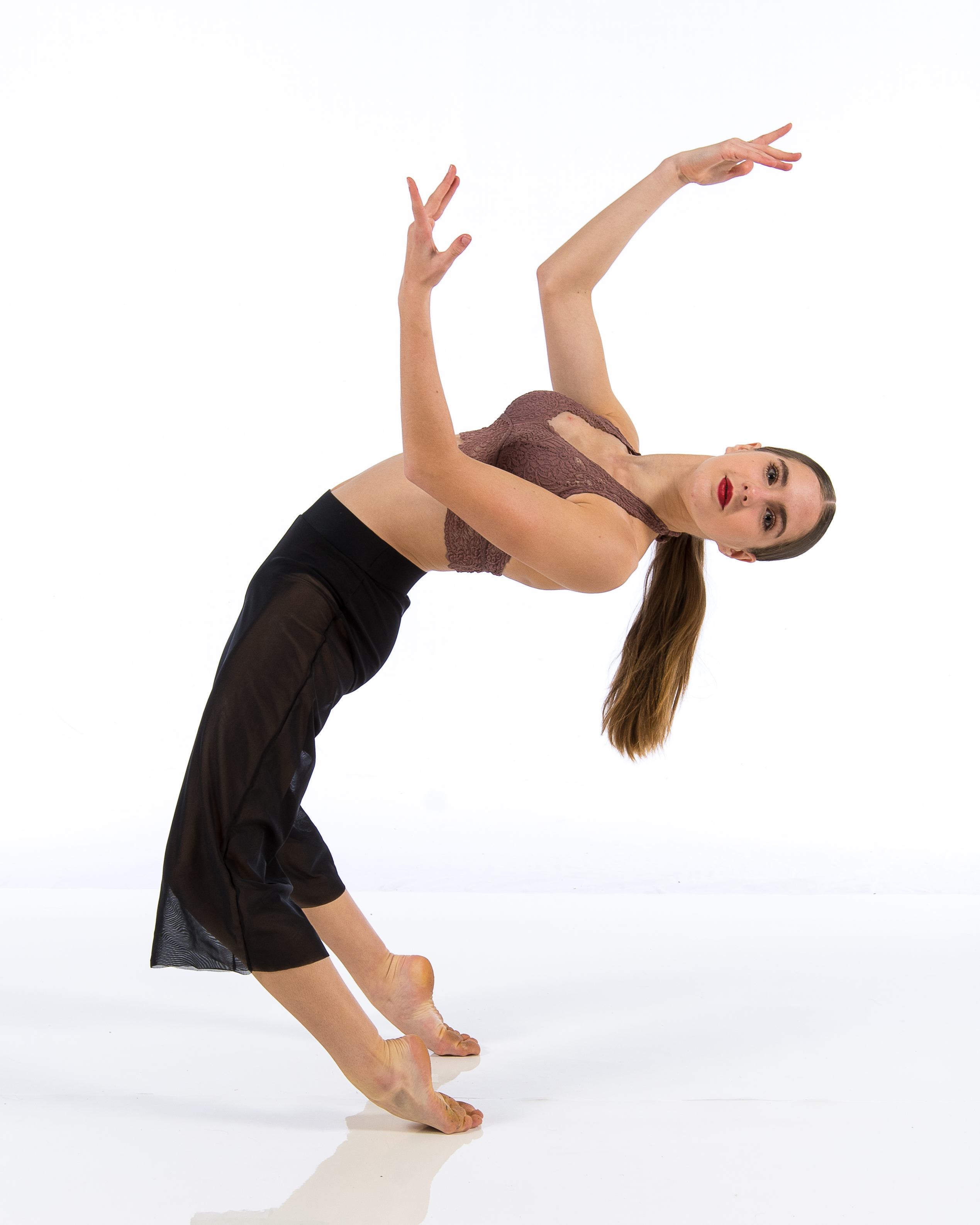
Contemporary Dance: Breaking Boundaries
Contemporary dance blends ballet with other genres—jazz, modern dance—to create fluid movements that express emotion rather than strict technique. It Dance Styles in King City challenges conventional forms by embracing improvisation.
- Notable Features: Emphasis on freedom Experimental choreography Focus on personal expression
Salsa: A Latin Rhythm Explosion
Salsa is vibrant yet romantic—a fusion of Afro-Cuban rhythms with influences from jazz music that originated in New York City during the mid-20th century. It’s known for its lively footwork coupled with smooth body movements.
- What Makes Salsa Unique? Partner-based dancing Syncopated rhythms Social interaction
Bridging Tradition with Modernity
The dynamic relationship between traditional and modern dances reflects society's ever-changing landscape while preserving cultural identities. While traditional dances celebrate heritage—modern styles infuse innovation by incorporating new techniques or ideas.
How Can Traditional Dances Adapt Over Time?
One compelling example is how ballet has adapted over centuries—from courtly entertainment to contemporary performances reflecting societal themes like feminism or mental health issues.
- By allowing room for interpretation:
- Choreographers can explore new narratives within established frameworks. Cultural dancers can incorporate modern interpretations without losing essence.
The Role of Technology in Modern Dance Evolution
The digital age has transformed how we experience dance—from online classes making learning accessible globally to social media platforms serving as stages where anyone can showcase their talent. With platforms like TikTok driving trends rapidly:
Has technology democratized dance?- Yes! It allows aspiring dancers worldwide to learn from masters without geographical barriers.
- Trends spread quickly—choreographers adapt popular styles incorporating viral moves into their routines!
Connecting Communities Through Dance Events
Dance festivals around the globe foster cultural exchange by showcasing diverse styles—allowing participants to share their traditions while learning new ones! Notable examples include:
| Festival Name | Location | Featured Styles | |---------------------|-------------------|---------------------------| | World Folk Festival | Cape Town | Traditional Folk Dances | | International Hip-Hop Festival | Los Angeles | Various Urban Styles | | Hula Festival | Honolulu | Hawaiian Hula |
These events create communal bonds among performers who might otherwise never cross paths!
Embracing Diversity Through Collaborative Performances
Collaboration among dancers from different backgrounds leads to innovative performances blending multiple styles! Take “Crossroads” by renowned choreographer Akram Khan—a stunning blend between classical Kathak & contemporary techniques!
FAQ Section
1. What are some popular traditional dances?
Examples include Bharatanatyam (India), Flamenco (Spain), Hula (Hawaii), Irish Step Dancing.
2. How do I learn different types of dance?
Consider taking local classes or online tutorials found on platforms like YouTube or specialized apps.
3. Why should I try modern dancing?
Modern dancing encourages self-expression—it’s liberating! Plus—it connects you with others who share similar passions.
4. Can I mix traditional & modern styles?
Absolutely! Many contemporary choreographers blend genres seamlessly creating something fresh yet rooted.
5. What are some benefits associated with learning how to dance?
Dancing improves physical health boosts mental well-being fosters creativity & provides social connections.
6. How does culture influence my choice in learning specific dance forms?
Your cultural background may inspire what resonates most—dance serves as both identity preservation & exploration.
Conclusion
Dancing truly embodies the spirit of human connection—allowing individuals across cultures & generations alike to communicate without words! As we explore different styles—both traditional & modern—we not only celebrate our differences but find unity within shared rhythms too!
So whether you’re donning your ballet slippers preparing for salsa night—or simply enjoying watching performances featuring various genres—you’ll discover one thing remains constant throughout time—the language spoken through movement knows no boundaries! So rise up take part embrace this exhilarating journey connecting us all together via expressive art forms like none other!
This article invites readers on an adventurous exploration into connecting cultures through traditional AND MODERN dances—it encourages them to engage actively while appreciating each unique style along the way!