Introduction: The Power of Dance in Building Community
Dancing isn’t just about moving to the beat; it’s an experience that transcends cultural boundaries and unites individuals. In every corner of the globe, people have found ways to express themselves through various dance styles, from traditional folk dances to contemporary hip-hop. But beyond the rhythm and movement lies a profound impact on community bonding and personal confidence. This article delves into how dancing fosters community spirit while simultaneously enhancing self-assurance.
Fostering Community Through Movement: How Dancing Builds Confidence
When we think about dance, what often comes to mind? Joyful gatherings, shared expressions of creativity, or perhaps even a celebration? Dancing has an innate ability to bring learn hip hop dance Hillsboro people together, creating bonds that might not emerge in other contexts. Whether you're salsa dancing in a vibrant studio or participating in a flash mob at the park, dance becomes an avenue for connection.
The Role of Dance Styles in Community Engagement
Different dance styles contribute uniquely to community engagement. Each style carries its own history, culture, and expression:
- Ballet: Often seen as a classic form of dance, ballet can create communities around shared values of discipline and artistry. Hip-Hop: Known for its roots in urban culture, hip-hop encourages diversity and allows voices from various backgrounds to come together. Salsa: This lively Latin dance promotes social interaction and brings people together for both learning and enjoyment.
By exploring these varied styles, we discover how they serve as platforms for individuals to connect.
Dance as a Language of Expression
Dance serves as a universal language that communicates feelings and stories without words. It allows individuals to express emotions like joy, sorrow, love, and frustration through movement. When individuals engage with one another through dance, they share their experiences and cultures without needing common linguistic ground.
Building Confidence Through Dance: The Psychological Aspect
When we discuss confidence-building through dancing, it’s essential to consider the psychological aspects involved:
Overcoming Fear: Many people fear public performance or making mistakes while dancing. However, as they embrace these challenges within supportive communities, those fears begin to dissipate. Enhancing Self-Esteem: Mastering new moves or styles boosts an individual’s self-esteem. Each small success on the dance floor translates into greater confidence off it. Connection with Others: Feeling part of a larger group provides emotional support that enhances individual confidence levels.Creating Safe Spaces: The Importance of Inclusivity in Dance Communities
Inclusivity is paramount when fostering community through movement. A welcoming environment invites participants from diverse backgrounds—regardless of age, skill level, or body type—to join in. Creating safe spaces where everyone feels valued encourages participation and strengthens communal ties.
Dance Classes: Where Confidence Blossoms
Participating in structured dance classes is one of the most effective ways for individuals to build confidence:
- Skill Development: Regular practice leads to improvement in technique and comfort on the dance floor. Social Interaction: Classes allow for camaraderie among peers who share similar interests. Encouragement from Instructors: Positive reinforcement from teachers can significantly boost students' confidence levels.
The Social Benefits of Dance Competitions
Competitions offer dancers a chance to showcase their skills while fostering community spirit:
Teamwork: Group competitions encourage collaboration among team members. Networking Opportunities: Dancers often meet others who share their passion during competitions. Celebration of Achievements: Recognizing accomplishments builds collective pride within the community.Exploring Cultural Heritage Through Dance Styles
Each dance style embodies cultural narratives that connect communities:
- Traditional dances reflect historical events or rituals. Contemporary forms may address modern societal issues or movements.
By engaging with these cultural expressions through dance, individuals learn about one another’s backgrounds while celebrating diversity.
The Role of Technology in Dance Communities
In today’s digital age, technology plays an essential role in connecting dancers globally:
Online Platforms: Websites and apps allow dancers from different regions to collaborate virtually. Social Media: Platforms like Instagram showcase performances that inspire others across borders. Virtual Classes: Individuals can learn new styles despite geographical limitations.
Technology helps bridge gaps between communities that might otherwise remain disconnected.
Developing Leadership Skills Through Dance Participation
Engaging actively within dance communities often leads individuals toward leadership roles:
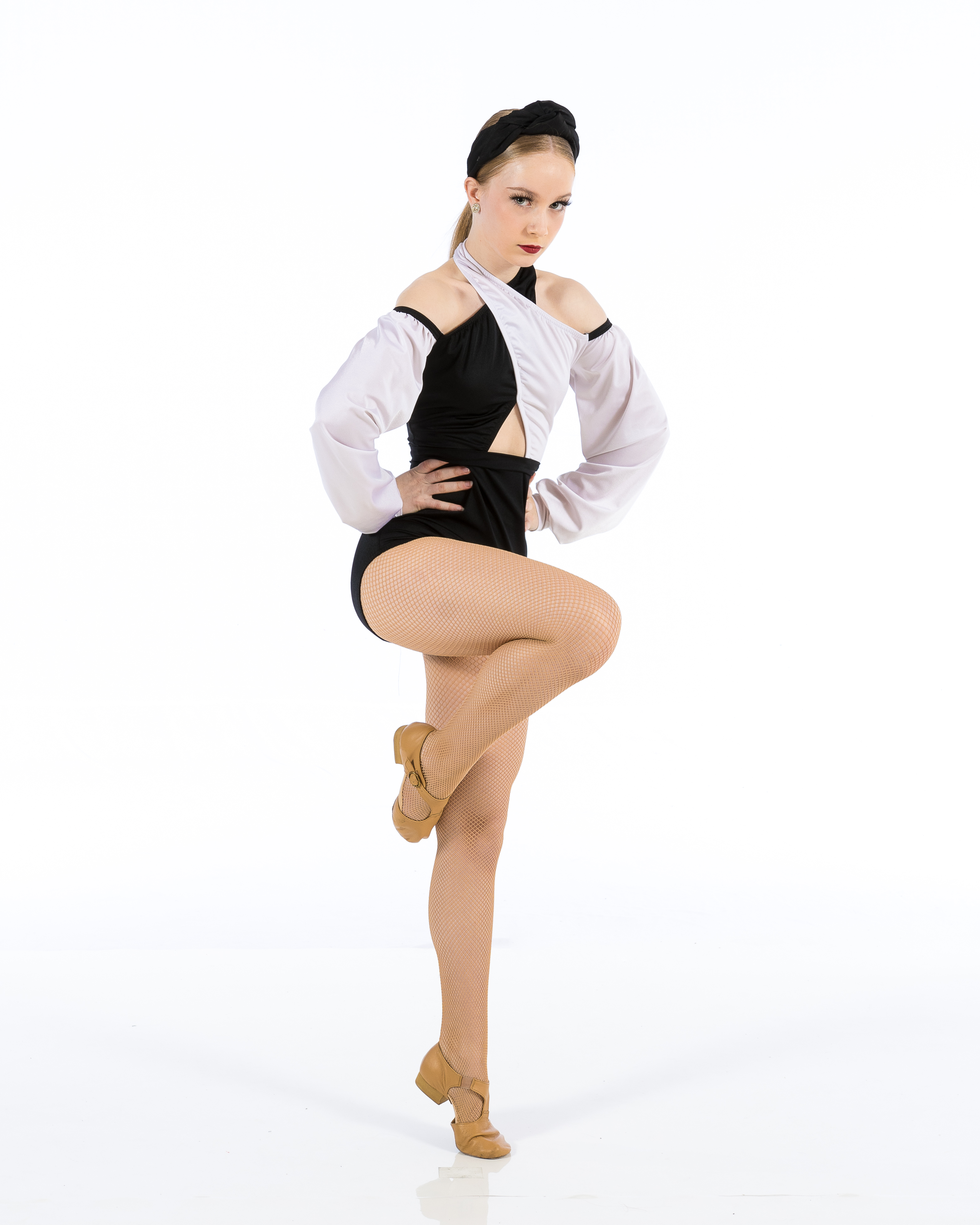
Through such experiences, participants develop vital leadership skills transferable beyond just dancing contexts.
Emotional Well-being Supported by Dance Communities
Dance not only builds physical strength but also contributes significantly to emotional well-being:
Stress Relief: Movement releases endorphins—natural mood lifters! Social Support Systems: Friends made through dancing can provide emotional support during tough times.Communities built around dance become havens for emotional healing—where members uplift each other regularly!
FAQs About Fostering Community Through Movement: How Dancing Builds Confidence
1. How does dancing enhance personal confidence?
Dancing enhances personal confidence by helping individuals overcome fears associated with performance while providing opportunities for skill mastery and social interaction within supportive groups.
2. What are some popular dance styles that promote community?
Popular dance styles include ballet (for discipline), hip-hop (for cultural expressions), salsa (for social interaction), Zumba (for fitness enthusiasts), and folk dances (preserving heritage).
3.* Can anyone learn how to dance?*
Absolutely! Regardless of age or previous experience level—many classes welcome beginners eager to learn at their own pace!
4.* How do I find local dance communities near me?*
Look online for classes offered at studios nearby; check local bulletin boards; search social media platforms focused on your area—often groups host events open for newcomers!
5.* What benefits does competition bring within these communities?*
Competitions foster teamwork among participants while providing networking opportunities—they celebrate collective achievements too!
6.* Is there any mental health benefit associated with joining a dance community?*
Yes! Participation offers stress relief through physical activity combined with rich social support systems fostering inclusivity & belongingness!
Conclusion: Embracing Movement as a Means of Connection
In summary—dancing transcends mere entertainment—it cultivates deep connections between people across diverse backgrounds! As we’ve explored throughout this piece; engaging with various dance styles offers valuable opportunities for building confidence while fostering vibrant communities around us! So why not lace up those shoes? Step out onto the floor & join this remarkable journey towards self-discovery & communal harmony!