Introduction
When it comes to the vibrant world of dance, two styles stand out prominently: ballet and jazz. Each has its own unique flair, history, and technique that appeal to a wide array of dancers and audiences alike. In Hillsboro, where the love for dance flourishes through numerous studios and performances, the question arises: Is there a clear winner between ballet and jazz? This article delves into the intricacies of both dance forms, exploring their origins, techniques, benefits, and much more.
Whether you are a seasoned dancer contemplating your next class, a parent scouting for the perfect dance program for your child, or simply an admirer of the art form, this comprehensive comparison aims to shed light on what makes each style remarkable. So let's leap into this captivating discussion!
Dance Style: The Essence of Ballet
The Historical Roots of Ballet
Ballet is often regarded as one of the most traditional forms of dance. Originating in the Italian Renaissance courts during the 15th century, it evolved Discover more into a theatrical art form in France during the reign of Louis XIV. The technical precision required in ballet is meticulous; every pirouette and plié tells a story steeped in history.
Ballet Technique: Structure and Discipline
The essence of ballet lies in its discipline. Dancers undergo rigorous training to master various positions like first position, second position, and beyond. Each move must be executed with poise and control. The five basic positions of the feet serve as the foundation for most ballet movements.
Emotional Expression in Ballet
Ballet is not just about technical proficiency; it’s also about conveying emotion. The connection between music and movement allows dancers to interpret stories ranging from tragic tales to whimsical fantasies.
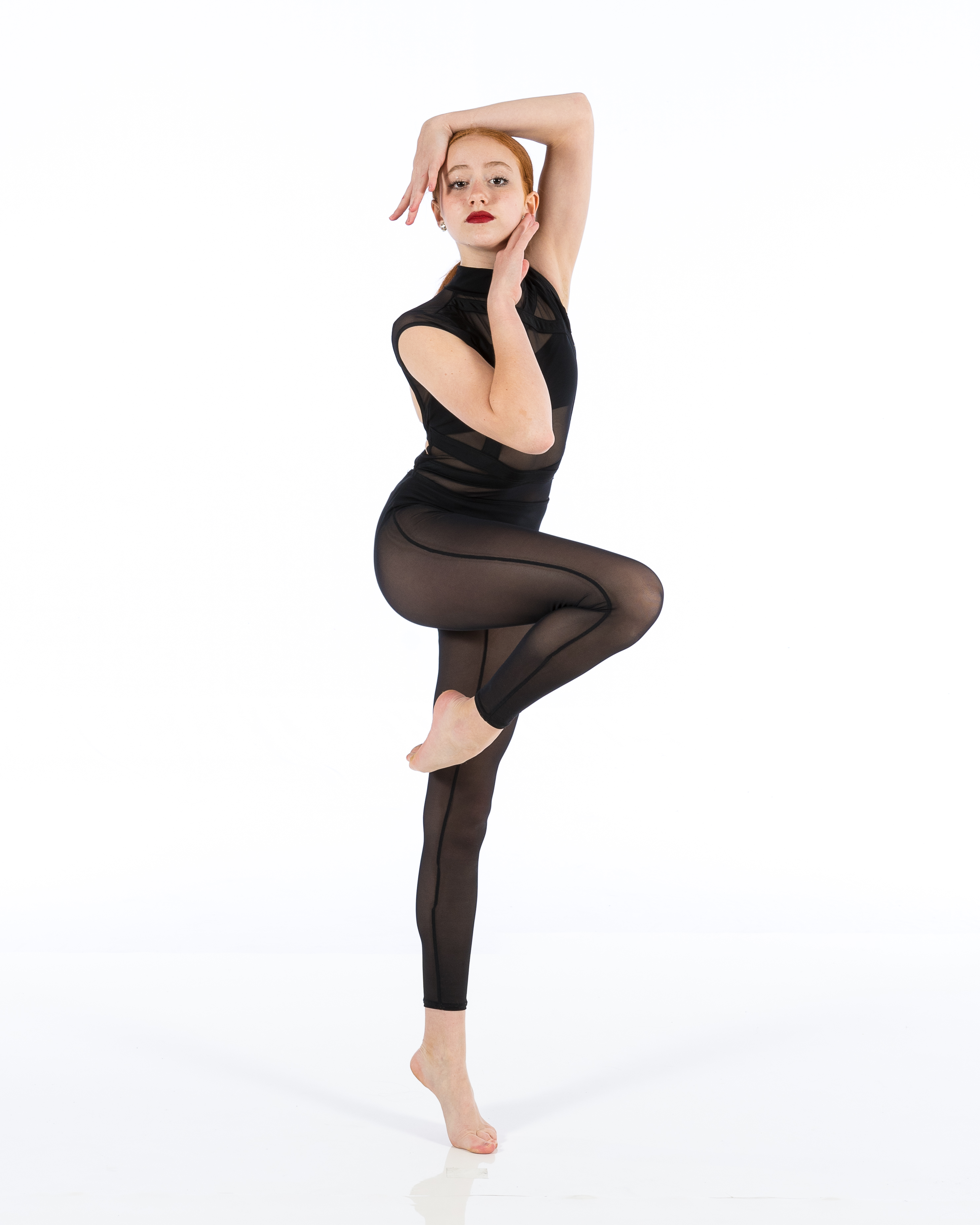
Physical Benefits of Ballet Training
Training in ballet offers numerous physical advantages:
- Flexibility: Regular stretching increases range of motion. Strength: Core strength is vital for stability. Posture: Ballet promotes an upright posture that can benefit daily life.
Dance Style: The Vibrancy of Jazz
The Historical Development of Jazz Dance
Jazz emerged as an energetic expression that reflects African American cultural influences in the early 20th century. Its roots can be traced back to African rhythms mixed with European musical elements. As jazz music evolved through decades—think swing, bebop—the dance style adapted accordingly.
Jazz Technique: Freedom and Improvisation
Unlike ballet's rigid structure, jazz encourages improvisation and personal expression. Jazz dancers often find themselves moving freely within their own interpretations while maintaining rhythmic accuracy with music.
Emotional Expression in Jazz Dance
Jazz is all about energy! Whether it's high kicks or syncopated rhythms, jazz dancers convey joy and exuberance through their movements. It's common to see dancers improvise based on how they feel at that moment—a concept less prevalent in ballet.
Physical Benefits of Jazz Training
The benefits of jazz training are equally appealing:
- Cardiovascular Health: High-energy routines boost heart health. Coordination: Quick footwork enhances overall body coordination. Confidence: The expressive nature encourages self-confidence among dancers.
Is There a Clear Winner? Comparing Ballet and Jazz in Hillsboro
In Hillsboro's diverse dance scene, both ballet and jazz have carved out their niches. Each brings something different to the table—ballet offers structured elegance while jazz provides exhilarating freedom.
So which one reigns supreme? It really depends on individual preference! For those who appreciate tradition and technical prowess, ballet might be more appealing. On the other hand, if someone thrives on spontaneity and rhythmical movement, jazz could take center stage.
While some may argue that one style has more merit than another based on performance opportunities or physical benefits, we believe that both styles complement each other remarkably well. Many dancers choose to incorporate elements from both practices into their repertoire—creating well-rounded performers who can shine on any stage.
Comparative Overview: Key Differences Between Ballet and Jazz
| Aspect | Ballet | Jazz | |----------------------|---------------------------------------|--------------------------------------| | Origin | 15th Century Italy | Early 20th Century America | | Technique | Structured & disciplined | Improvisational & energetic | | Emotional Expression | Storytelling through movement | High energy & personal expression | | Performance Style | Classical ballets | Broadway-style performances | | Physical Benefits | Flexibility & core strength | Cardiovascular fitness & coordination |
Why Choose Ballet? Benefits Explored
Cultural Significance of Ballet
Ballet holds significant cultural value as an art form that has influenced countless aspects of modern performance art today—from musicals to contemporary dance styles.
Developing Grace Through Ballet Training
Ballet fosters gracefulness; students learn how to move fluidly across any space they occupy—be it stage or studio—instilling confidence along with skill.
Scholarship Opportunities Through Ballet Programs
For aspiring young dancers aiming for higher education scholarships dedicated solely to performing arts programs offered by universities across America—ballet holds weight!
Why Choose Jazz? Benefits Explored
Dynamic Community Within Jazz Dance Culture
Jazz fosters community spirit among dancers who thrive on collaboration! Classes are often filled with laughter alongside hard work—a true testament to camaraderie found within this vibrant style.
Versatility in Performance Opportunities for Jazz Dancers
Jazz provides endless opportunities—from local performances at community events right up until Broadway stages—many artists find themselves fully immersed within this thrilling world!
Creative Freedom Offered by Jazz Styles
Dancers can explore various sub-genres such as lyrical jazz or street styles giving them room for creative exploration!
Common Misconceptions About Ballet vs. Jazz Dance Styles
Misconception #1: Only One Style is Useful for All Performances!
Many believe that only training solely in either ballet or jazz could prepare them adequately for performances—but reality suggests otherwise! Understanding multiple styles helps diversify skills allowing versatility when performing across genres!
Misconception #2: Age Limits Participation
Some assume certain age restrictions apply—but both forms cater towards all ages! Adult classes have seen increased popularity recently proving it's never too late join either community!
FAQs
Q1: Which style is better for beginners? A1: Both styles offer beginner classes tailored specifically towards newcomers; however many find starting with ballet beneficial due its foundational techniques applicable across various genres later down road!
Q2: Can I combine both ballet & jazz training? A2: Absolutely! Many schools encourage multi-stylistic approaches fostering well-rounded performers capable tackling diverse choreography seamlessly!
Q3: How does each style impact physical health differently? A3: While both promote fitness levels uniquely—with emphasis placed differently depending upon focus area (e.g., flexibility vs cardiovascular)—each contributes positively toward overall health goals immensely!
Q4: What age group typically participates more heavily within these disciplines? A4: Though younger children tend enroll more frequently into formal programs—adult communities continue growing rapidly demonstrating interest spans generations widely!
Q5: Are there competitions specific towards either style? A5: Yes indeed! Numerous competitions exist catering exclusively toward showcasing achievements within either realm including prestigious events like Youth America Grand Prix (for ballet) or local showcases centered around jazz talent!
Q6 Does one require prior experience before joining classes offered locally? A6 No prior experience necessary; introductory classes designed specifically teach foundational skills required comfortably allowing participants ease transition into advanced levels over time if desired!
Conclusion
As we reflect on our exploration titled "Is There a Clear Winner? Comparing Ballet and Jazz in Hillsboro," it's evident that both styles possess unique attributes worth celebrating. From classical elegance embodied by graceful ballerinas to high-energy expressions radiated by dynamic jazz ensembles—the beauty lies within diversity itself!
Ultimately choosing between these two iconic forms boils down personal preference combined individual goals set forth throughout journey undertaken within dance world itself! Regardless if you lean towards classical lines drawn from centuries past or prefer spontaneous rhythms born contemporary culture thriving today—embracing passion leads pathways toward fulfillment regardless chosen path taken along way forward ahead!
So whether you're strapping on pointe shoes or lacing up your sneakers—remember there’s no wrong choice when it comes pursuing artistry expressed through movement; every step counts beautifully crafted narrative unfolding uniquely yours forevermore!